Appearance
< Home
Table of Contents
Info:
This section provides a comprehensive overview of information regarding the proposed security system's hardware and software.
Hardware:
The hardware section outlines the critical physical components necessary for the security system, emphasizing the role of specialized devices for processing and enhancing the overall system performance. It covers elements such as servers and hardware accelerators that handle intensive computational tasks, ensuring smooth, real-time operation of the security system.
Server
What is a server in the context of a home security system?
The server is a critical component responsible for hosting and running the security system software, which serves as the primary video surveillance and object detection engine.
What it does:
- Video Stream Processing: The server connects to your cameras (via RTSP streams) and processes the incoming video feeds in real-time.
- Object Detection: Using a machine learning model, often accelerated by hardware like a Coral TPU, the server performs object detection on video streams. This allows Frigate to identify and track objects such as people, cars, animals, etc., in real-time.
- Storage and Recording: The server can store video recordings, clips, and snapshots triggered by motion or object detection events. It manages when and how recordings are saved based on user-defined configurations (e.g., motion events, specific object detection, etc.).
- Integration with Smart Home Systems: The server often acts as the central integration point with other smart home components. For example, it can integrate with Home Assistant to trigger automations (like turning on lights or sending alerts) based on detected events.
- Web and Mobile Access: The server typically provides a user interface (web UI) where you can view camera feeds, review past recordings, and configure the system's settings. This interface can be accessed via web browsers or mobile devices.
- Notification Management: It handles notifications and alerts for specific events (e.g., when a person is detected, or a camera goes offline) and can send these to your phone, email, or integrate with other notification services.
Summary, Server:
The server serves as the "brain" of the Frigate system, handling video analysis, storage, object detection, system integrations, and user interactions to provide a comprehensive and customizable video security solution.
Server Purchase List:
Detector Accelerator:
What is a detector accelerator in the context of a home security system?
A detector accelerator refers to specialized hardware designed to enhance the performance and efficiency of object detection tasks. This is particularly important for systems like Frigate that perform real-time object detection on video streams from security cameras.
Purpose and Benefits:
- Improved Performance: Accelerators significantly speed up object detection by offloading the heavy computation from the CPU. This allows for faster detections and more responsive system behavior, enabling real-time processing even with multiple camera feeds.
- Reduced CPU Load: Without an accelerator, object detection tasks would consume a large portion of the CPU's resources, which could slow down other processes or lead to system lag. Accelerators handle these tasks efficiently, freeing up the CPU.
- Energy Efficiency: Accelerator hardware often uses less power than having the CPU perform complex detection tasks. This makes the system more energy-efficient, particularly for continuous, 24/7 surveillance.
How It Works:
When a video feed is processed for object detection, the detector accelerator handles the computation-intensive task of identifying and classifying objects within each frame. This makes the system more responsive, accurate, and capable of handling complex detection scenarios without overloading the main server.
Summary, Detector Accelerator:
In summary, a detector accelerator in a home security system boosts the performance of object detection, enabling real-time analysis and reducing the strain on your primary computing resources. This makes security systems more effective and efficient in detecting people, animals, vehicles, and other objects.
Detector Accelerator Purchase List:
Software/Firmware:
The software section focuses on the key applications and components required for operating and managing the security system. It covers aspects such as real-time video processing, object detection, system integration, and user interface capabilities, highlighting the importance of efficient and customizable software solutions to meet modern security needs.
Frigate:
What is Frigate?
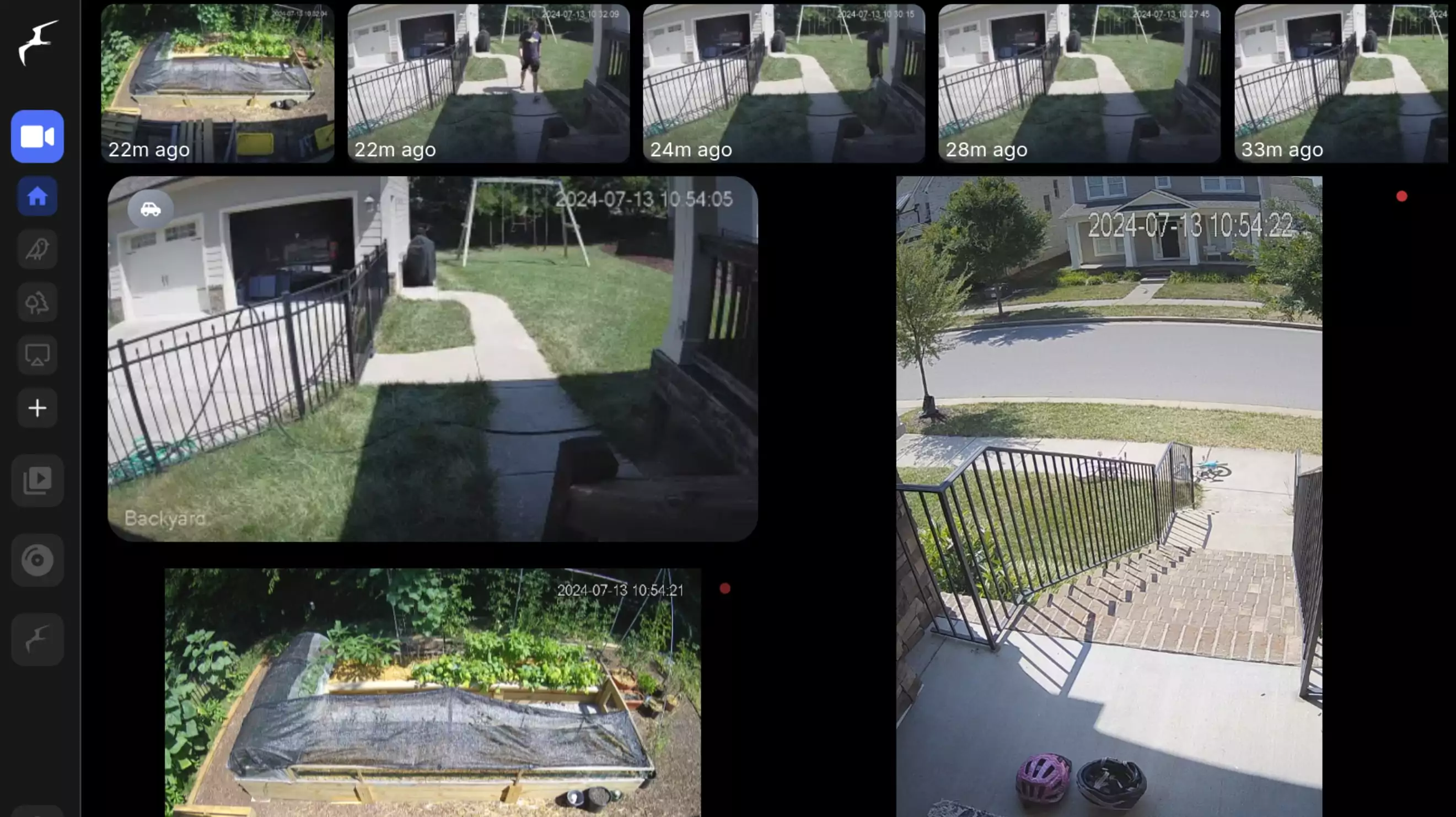 Frigate is an open-source, NVR (Network Video Recorder) solution designed specifically for integrating with IP cameras for home and business security systems. It is focused on real-time object detection using machine learning models, with a particular emphasis on efficiency and customization for various security needs.
Key Features of Frigate:
- Real-Time Object Detection: Frigate uses TensorFlow and hardware accelerators (like Google Coral) to identify and track objects such as people, cars, animals, etc., in real-time, offering faster and more accurate detections than many traditional security solutions.
- Customizable Alerts and Rules: Users can configure Frigate to detect specific objects, set custom alerting rules, and trigger notifications or smart home automations based on the detections.
- Efficient Processing: It is optimized for high-performance processing and low CPU usage when used with hardware accelerators, making it efficient even for complex detection scenarios.
- Integrates with Home Assistant: Frigate is well-known for seamless integration with Home Assistant, enabling automation and monitoring as part of a broader smart home ecosystem.
- Recording and Storage: Frigate supports video recording triggered by motion or detection events, and it can store clips and snapshots while providing a user-friendly web interface for reviewing recorded footage.
Summary, Frigate:
Frigate is a flexible, efficient, and powerful video surveillance system designed for modern needs, with a focus on intelligent object detection and home automation integration
Home Assistant:
What is Home Assistant?
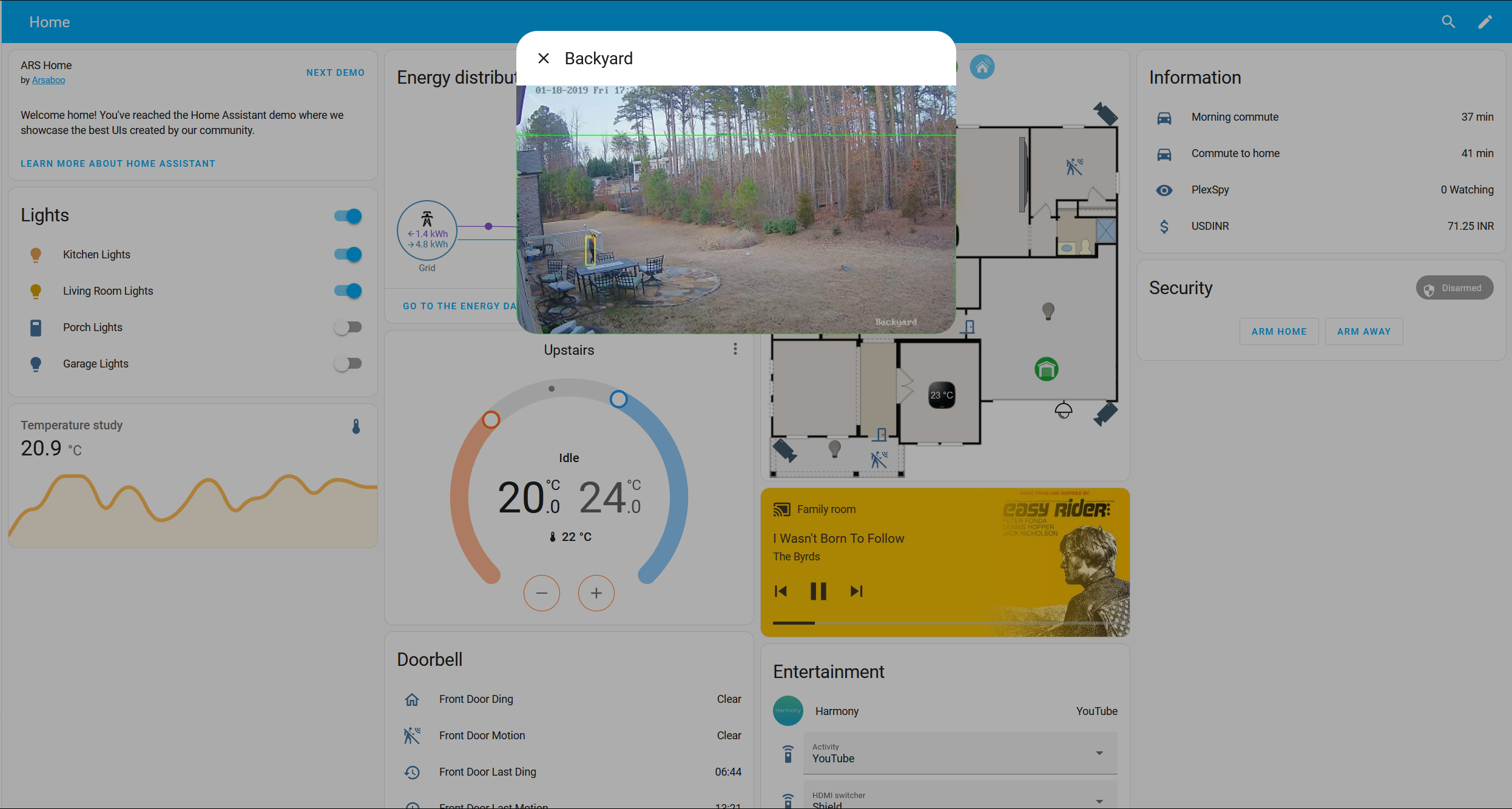 Home Assistant is an open-source home automation platform that focuses on local control and privacy. It allows users to integrate and control various smart home devices, including security cameras, lights, sensors, and more, through a unified interface.
Key Features of Home Assistant:
Security system: Home Assistant can integrate with Frigate to provide a centralized interface for managing security cameras, object detection events, and automations.
Device Integration: Home Assistant supports a wide range of smart home devices and platforms (over 1000 brands), allowing users to create a centralized control system for their home automation needs.
Automation and Scripts: Users can create automations and scripts to trigger actions based on events, such as motion detection, sensor readings, or user input.
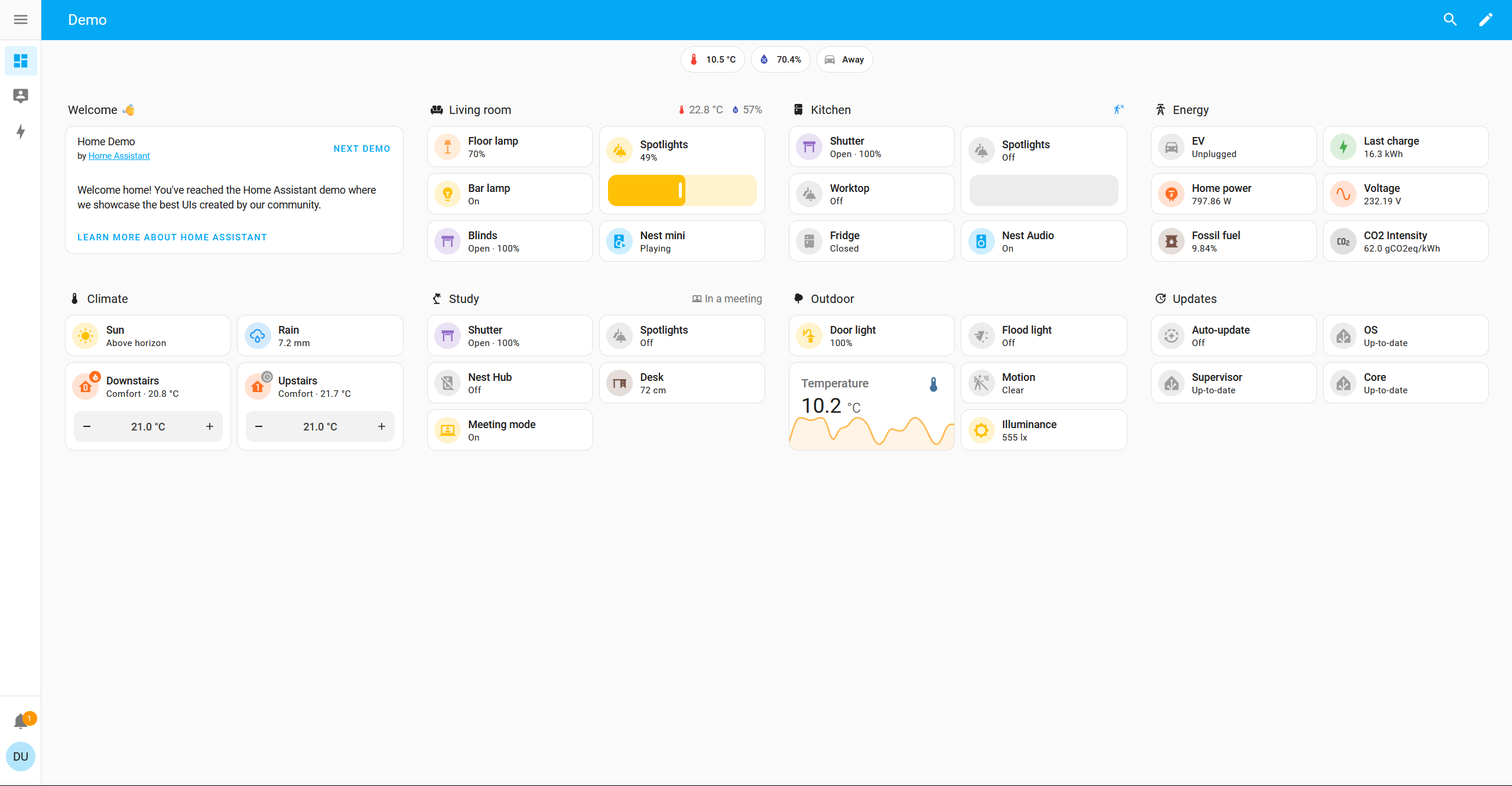
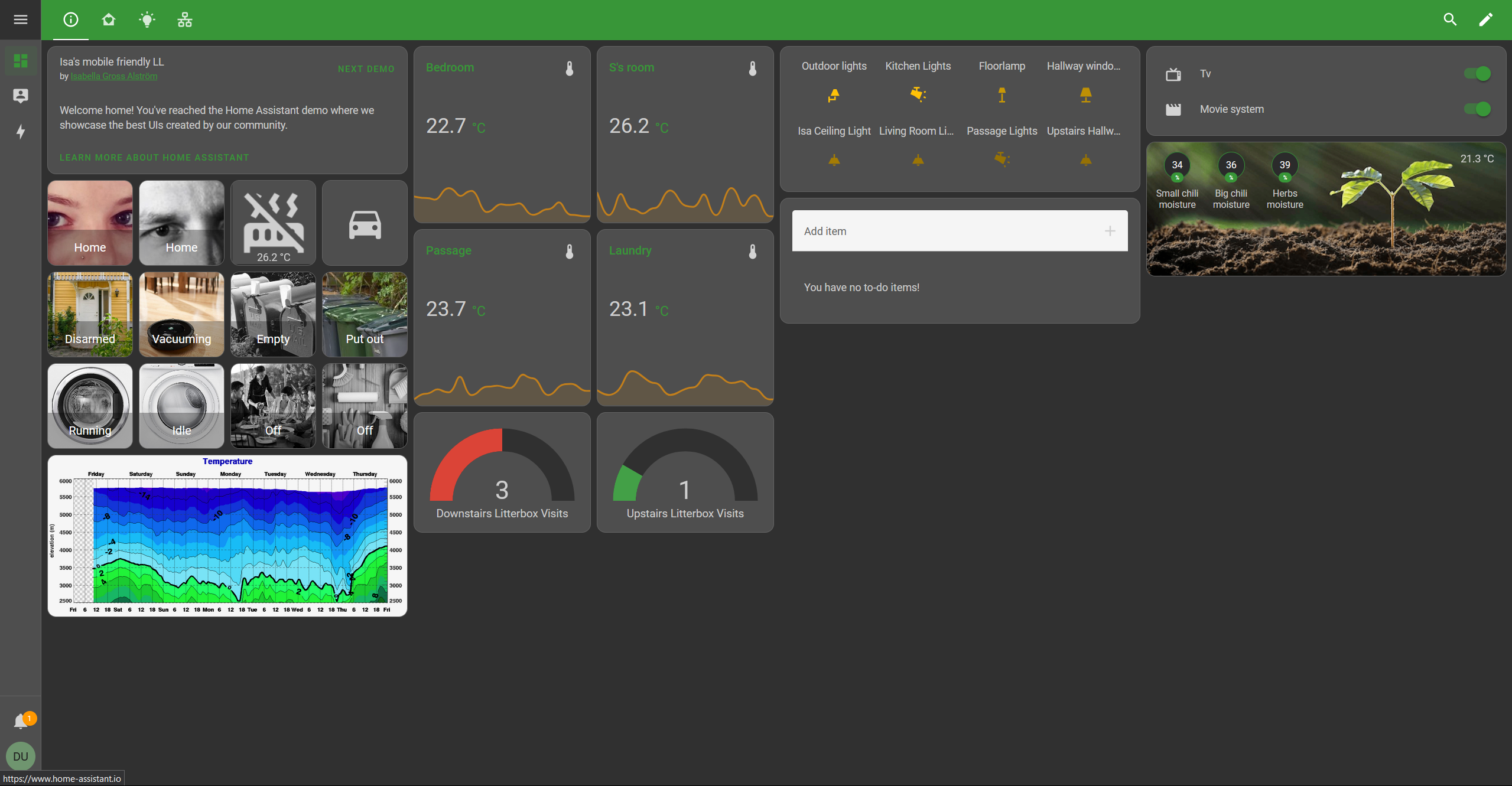
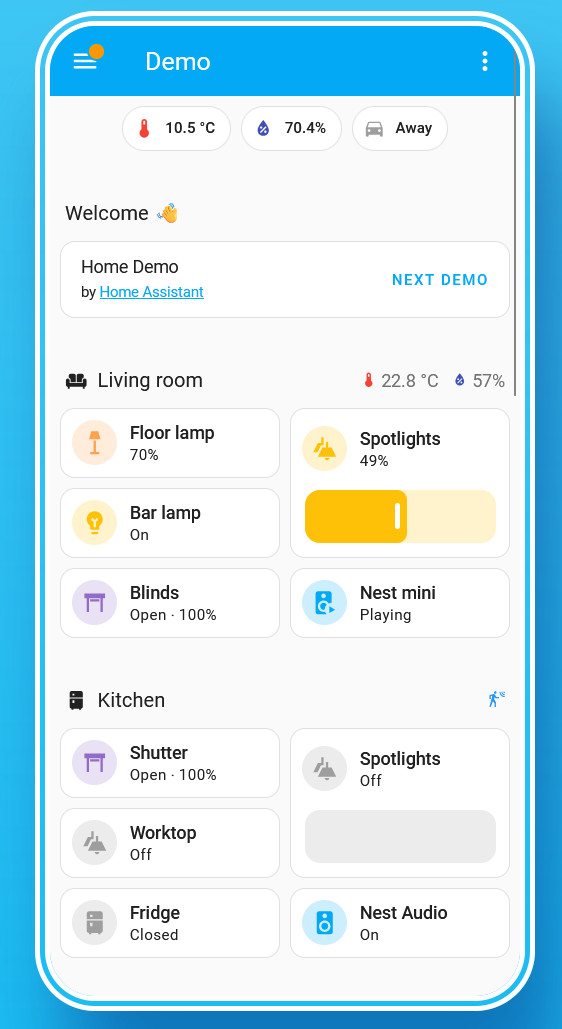
Customizable Dashboards: Home Assistant offers customizable dashboards that allow users to create personalized views of their smart home devices and data.
More Dashboard Examples
Google Home/Assistant Integration: google_assistant integration allows you to control your Home Assistant devices via Google Assistant on your mobile, tablet, or Google Home device.
Community Add-ons: Home Assistant has a vibrant community that develops add-ons, integrations, and custom components to extend the platform's capabilities.
All your data stays local: Home Assistant keeps your data local, on the server, so no need for a cloud or subscription.
Home Energy Management: Home Assistant provides tools to monitor and manage energy consumption, helping users optimize their energy usage and reduce costs. Gain new insights, optimize your solar panel production, plan energy usage and save money.
Summary, Home Assistant:
Home Assistant is a versatile and privacy-focused home automation platform that integrates with a wide range of smart home devices and services, including security systems like Frigate. It provides a centralized interface for managing and automating various aspects of your smart home, enhancing convenience, security, and energy efficiency.